Why silver darkens, and the ten seconds that undo it
Tarnish is a reaction between silver and sulphur in the air, not wear and not a fault in the alloy. Why a pair worn daily stays bright while one in a drawer goes grey, what actually works on it, and the two household remedies to leave alone.
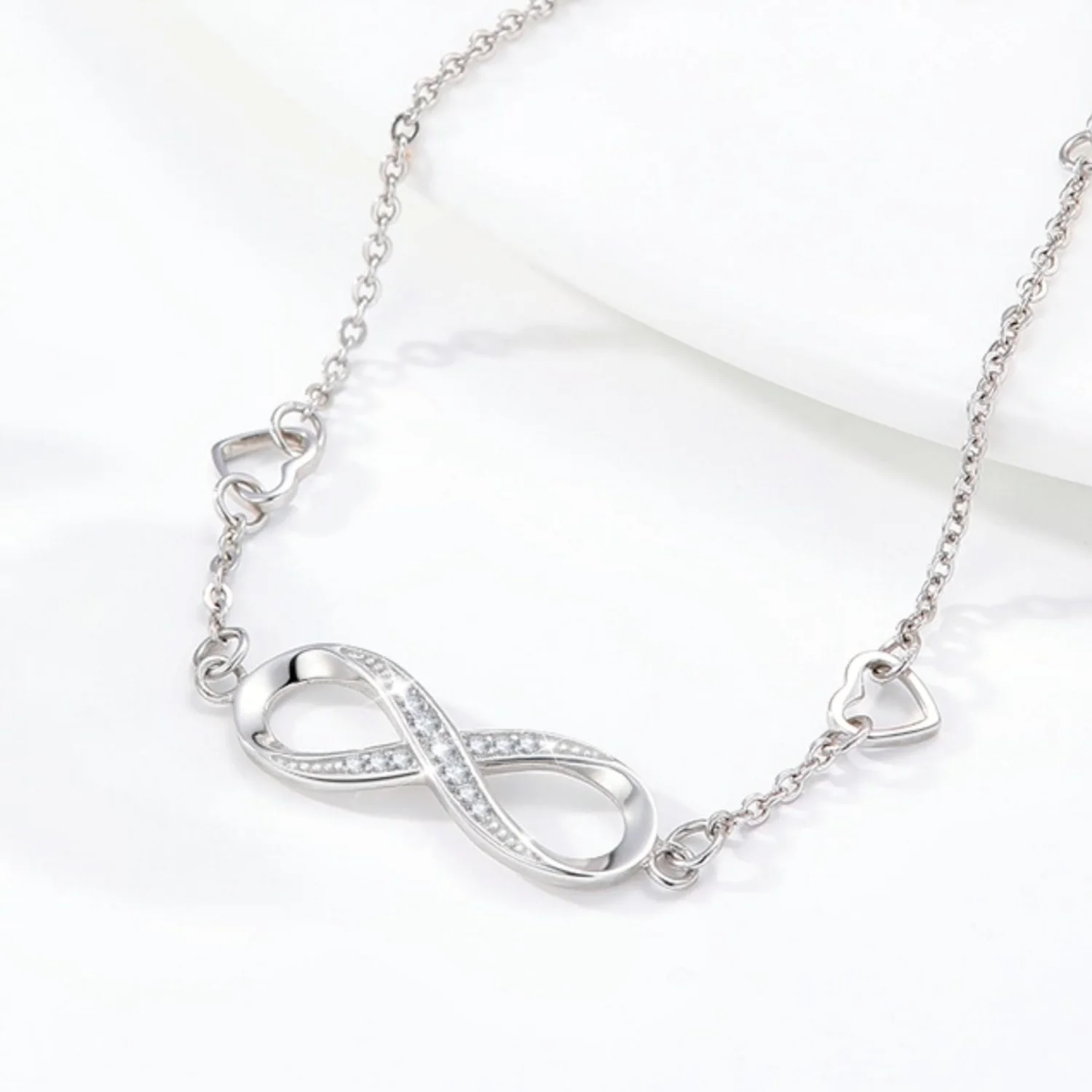
A reaction, not wear
Tarnish is a chemical result, not a clue that metal has been lost. When silver meets sulphur compounds in the air, it forms a dark film of silver sulphide. You see that film on surfaces, not as a change to the core metal. It is a surface film, not a loss of metal and not a defect in the alloy. Sterling silver carries a defined content of 92.5 percent silver, which is how the FTC consumer guidance defines the word.
Airborne sulphur compounds arrive in many forms, including humidity, perfume, hairspray, chlorinated water and some foods. These everyday exposures speed the reaction up. You do not need exotic causes.
Appearance changes first. A bright plane becomes dull and then shows darker patches where film has built up. That is normal chemistry on a surface, and you can remove the film from a clean surface. Mechanical action and simple cleaning change how the film looks. We include a polishing cloth with every EVERU piece. Use it deliberately: a careful swipe will take the film away without altering the metal beneath. Cleaning does not add metal. It removes the film and returns the surface to its original shine.
Why the pair you wear every day stays bright
A piece in steady wear will usually look brighter than one left in a drawer. Skin contact polishes a surface mechanically, and that is why a piece in daily wear stays brighter. Your movement, contact and the small oils on skin remove surface film as you go about the day. The process is physical rather than chemical. You are abrading the film gently each time you touch a piece.
Daily wear has a trade-off. A stone set into a mounting will collect residue from hand cream and other products. The stones in our pieces are cut cubic zirconia. A zirconia is hard and does not scratch easily, but it collects the film left by hand cream and goes dull. You will find the metal bright while the stone looks less lively. Warm water and a soft brush behind a setting removes that film. Dry the piece completely after cleaning, because trapped moisture darkens silver fastest.
Putting several pieces together will change the pattern of wear. Two pieces in one pouch rub each other bright in patches. You might prefer a lone chain to stay uniformly bright. Small decisions about how you wear items will control where the film forms and where you will need to clean.
The cloth, and how it is actually used
A polishing cloth works by rubbing the surface and removing the thin film. Use straight strokes rather than circles, and press lightly. You will get a steady result and avoid uneven wear. Every EVERU piece ships in a box with a polishing cloth. Keep that cloth with your jewelry and use it after removing cosmetics, perfume or hairspray.
Begin with the piece dry and free from trapped moisture. Hold the metal steady and stroke the cloth along the surface in one direction. Repeat until the film lifts. For a pendant or an earring hook you can work small areas in the same way. The motion matters: circles smear the film and can leave a striped appearance, while straight strokes lift the film cleanly.
Consider plated finishes carefully. Our cross pendant carries a plated white finish over sterling silver. A plated surface layer wears at an edge that rubs, and abrasive cleaning takes it off faster. Do not use harsh abrasives when a plated surface is present. The cloth will remove surface film without the aggressive action that removes plating. For stone-set pieces, remove residue from behind a setting with warm water and a soft brush rather than by buffing the stone. Finish all cleaning by drying thoroughly, because trapped moisture darkens silver fastest.
Stone settings, plated finishes and the things that ruin them
A set stone and a plated surface fail in opposite directions, so the same cloth cannot be used on both. Zirconia is hard and does not scratch easily, but it holds whatever a hand cream leaves behind, and the dullness people blame on the metal is usually sitting on the stone. Behind the setting is where that residue collects, so a soft brush and warm water do more there than any amount of polishing on the face.
Plating is the other case. It sits above the silver as a layer, and every layer has an edge that rubs: the high points of a pendant, the underside of a bracelet where it meets a desk. Abrasive polish takes that layer off faster than wear does, and once the base metal shows at an edge no cloth puts it back. Straight, gentle strokes on the flat, nothing on the edge, and the finish lasts as long as it was ever going to.
Household shortcuts can be tempting. Do not assume a one-size method suits both plated pieces and set stones. A method that polishes bare silver may strip a plated finish, and a vigorous scrub can damage a stone setting by dislodging residue into the crevice rather than removing it. Use warm water and a soft brush behind a setting for stones, and a polishing cloth used in straight strokes for metal. Dry completely afterwards.
Storing a piece so it stays where you left it
Storage choices alter how fast a piece darkens. Storing each piece in its own bag with the air pressed out slows the reaction, because you reduce the silver film when oxygen and airborne sulphur compounds have less access. Keep pieces separate. Two pieces in one pouch rub each other bright in patches, which creates uneven wear on finishes and plating.
Choose a dry place away from humidity. Trapped moisture darkens silver fastest. If a piece is damp when packed, the environment you create will accelerate the formation of silver sulphide. Dry thoroughly before you seal anything. Use the polishing cloth that ships with every EVERU piece to remove any initial film before packing. A quick ten seconds of straight strokes will make a visible difference.
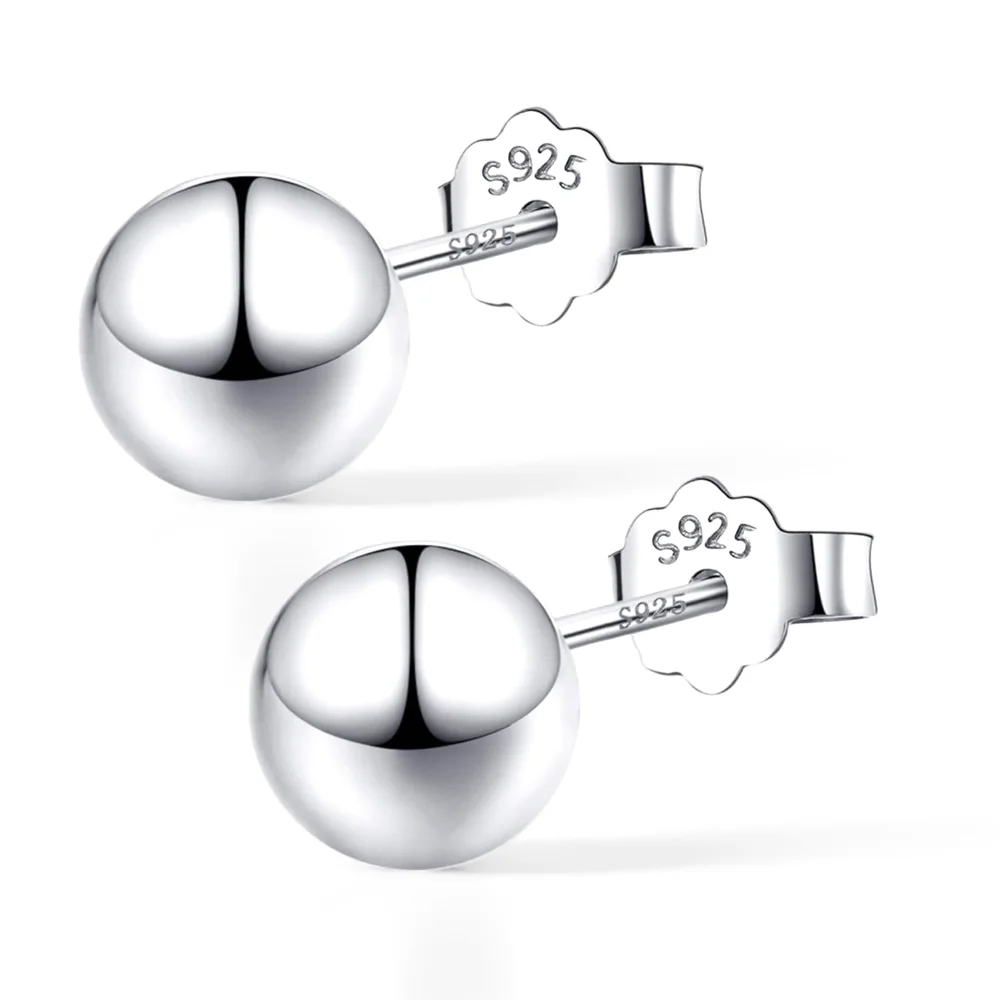
Avoid bathrooms and steam-prone closets. Perfume and hairspray stored nearby will still affect metal that sits exposed. Chlorinated water can also speed the reaction, so do not store items near swim or pool gear that remains wet. If you keep a small jewelry box, line it with a soft cloth and place items in individual bags with the air pressed out. That small step prevents rubbing and limits the chemical exposure that forms the film.
What tarnish never means
A piece that has gone black in a drawer has not been damaged and has not lost anything: the silver sulphide sitting on it weighs almost nothing and comes off. The cloth in the box lifts it from flat metal in straight strokes, warm water and a soft brush get behind a setting where a cloth cannot reach, and the whole business takes about as long as making tea. Dry it properly afterwards and it will stay bright for months rather than weeks.
Tarnish is not a verdict on sterling content. Sterling silver is 92.5 percent silver, and the FTC consumer guidance defines the word that way. A dark patch is chemistry on a surface, not a sign that the piece has lost precious metal. It does not indicate that a plated finish was initially poor, though abrasive cleaning will shorten a plated layer. Plated surfaces wear at edges that rub, and abrasive cleaning takes plating off faster.
Tarnish is not a flaw that has to be lived with. Small actions restore brightness. Ten seconds with the cloth, straight strokes, or a brief warm water and soft brush behind a setting will change the appearance. Drying the piece fully before storage will keep that result. The thing is mechanical and reversible on the surface, provided you do not use harsh abrasives on plated or set pieces.
| where a piece lives | how fast it darkens | what to do about it |
|---|---|---|
| Worn on the skin daily | Stays brighter because skin contact polishes the surface mechanically | Use the polishing cloth in straight strokes. Dry after any water exposure |
| Stored together in one pouch | Two pieces rub each other bright in patches and produce uneven film | Store each piece in its own bag with the air pressed out |
| Left in humid or product-exposed areas | Humidity, perfume, hairspray, chlorinated water and some foods speed the reaction up. Trapped moisture darkens silver fastest | Remove film with straight strokes of the cloth. For set stones use warm water and a soft brush behind the setting and dry completely |
More like this is in Silver Notes, and the EVERU team keeps the whole range one click away on the front page.